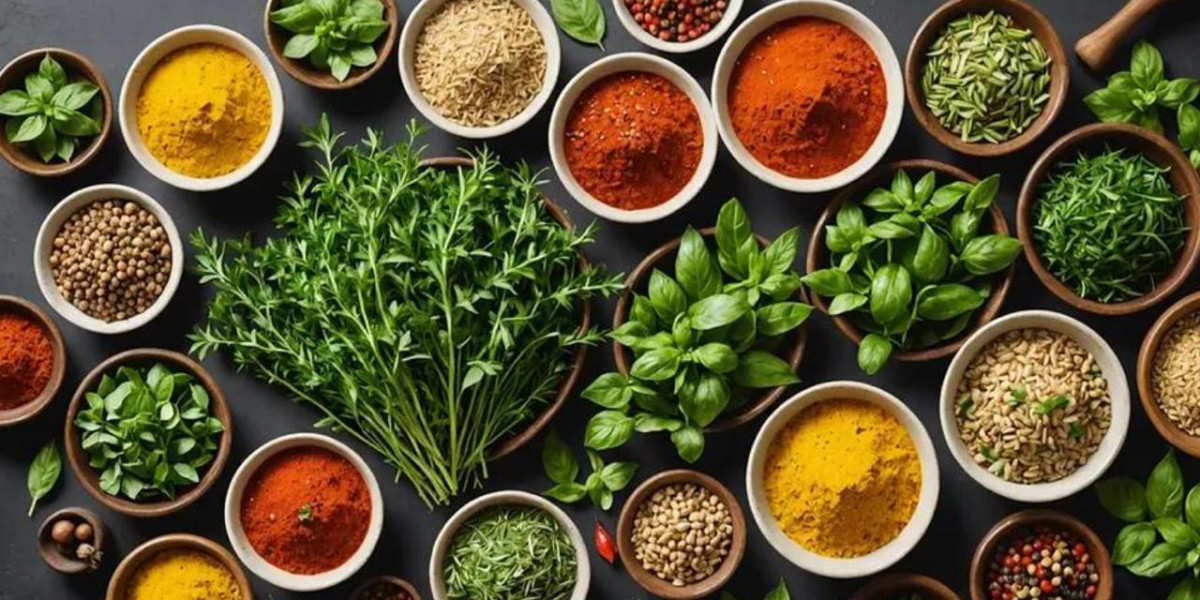

A memorable meal often begins before the first bite. The smell of toasted spices, freshly prepared herbs, citrus zest, or slowly cooked ingredients can create expectations about the food that follows. Aroma plays a central role in the perception of flavour, while spices provide complexity, warmth, and distinctive character. Their influence extends across culinary traditions, from simple everyday meals to carefully developed restaurant dishes.
Contemporary cooking frequently combines familiar ingredients with different aromatic techniques to create more layered experiences. The way spices are selected, stored, heated, and combined can have a significant effect on the final result. Food and dining concepts presented through https://ahsingdencom.com/ provide a broader context for exploring how culinary identity, atmosphere, and sensory details come together in restaurant culture. Looking more closely at aroma and spice reveals why relatively small ingredients can have such a strong influence on the character of a dish.
How aroma shapes the perception of flavour
People sometimes use the words taste and flavour as if they mean exactly the same thing. In reality, flavour is the result of several sensory processes working together. The tongue detects basic taste sensations, while the nose identifies aromatic compounds released by food.
When food is heated, cut, crushed, or chewed, aromatic molecules become easier to detect. Some travel through the air to the nostrils, while others reach the nasal cavity from the mouth during eating. This process helps explain why a dish can seem less flavourful when the sense of smell is reduced.
Aroma also creates expectations. The smell of roasted garlic may suggest savoury depth, while fresh citrus can create an impression of brightness. Toasted spices may indicate warmth and intensity even before someone has tasted the food.
For chefs, this means that flavour development begins well before the final seasoning. Ingredient selection, cooking temperature, and preparation order all influence which aromas become noticeable and how they interact.
Understanding the different roles of spices
Spices are used for more than adding heat. They can introduce sweetness, bitterness, earthiness, freshness, warmth, or a slightly smoky character. Their effects depend on the plant, the part being used, the form in which it is prepared, and the amount added.
Some spices are valued for their strong aromatic qualities. Cinnamon and cardamom, for instance, can create warm and fragrant notes. Cumin and coriander seeds are frequently used to add earthy and rounded characteristics, while turmeric contributes colour and a distinctive flavour.
Chilli peppers are particularly interesting because they introduce a sensation of heat rather than a basic taste. The intensity varies between varieties and can be influenced by the amount used, the way the peppers are prepared, and the other ingredients in the dish.
Spices can generally be used in several forms:
Whole spices are often added during cooking to release their aromas gradually.
Ground spices distribute more easily throughout a dish but may lose their fragrance faster during storage.
Fresh spices such as ginger provide a brighter and more immediate character.
Toasted spices develop deeper aromas through controlled exposure to heat.
Spice pastes combine several ingredients into a concentrated mixture that can be incorporated into sauces and marinades.
Choosing the right form depends on the intended result. A whole spice may be suitable for slowly developing a broth, while a freshly ground mixture can be more effective when a dish needs a pronounced aromatic finish.
Why heat changes the aroma of spices
Temperature has a major influence on the way spices behave. Applying heat can release aromatic compounds and transform their flavour, but excessive heating can produce bitterness or cause delicate aromas to disappear.
Dry toasting is one technique used to develop the fragrance of whole spices. The ingredients are heated in a dry pan for a short period, allowing their aromas to become more noticeable. Because the process can move quickly from gentle heating to burning, attention is essential.
Spices can also be cooked in oil or another suitable fat. Many aromatic compounds dissolve more readily in fat than in water, which helps distribute their flavour throughout a preparation. This technique is used in different culinary traditions, although the exact ingredients and methods vary.
The order in which spices are added can change the outcome. Some benefit from early cooking, while others are better introduced near the end to preserve their fresher qualities. Delicate herbs, for example, may lose much of their aroma during prolonged heating.
Successful seasoning is therefore partly a matter of timing. The objective is to extract the qualities that make each ingredient distinctive without allowing heat to overwhelm them.
Building balance between aromatic ingredients
A dish containing many spices is not necessarily more complex or enjoyable than one using only a few. The important factor is how the ingredients interact. Strong aromas can compete with one another if they are used without a clear purpose.
A balanced combination usually has a structure. One ingredient may provide the main aromatic character, while others support it with warmth, freshness, or subtle background notes. This approach makes the final flavour easier to recognise.
Acidity can also influence the perception of spices. Citrus juice, vinegar, and other acidic ingredients may make rich or heavily seasoned preparations feel brighter. Sweetness can soften certain sharp or intense notes, while salt can help bring out other flavour characteristics.
A useful way to think about seasoning is to consider the role of each element:
Aromatic depth: ingredients that provide warmth and complexity.
Freshness: herbs, citrus, and other bright components.
Heat: chilli and pepper varieties that introduce pungency.
Acidity: ingredients that create contrast and lift heavier flavours.
Richness: fats and sauces that carry and connect aromatic compounds.
These elements do not need to appear in equal proportions. The right balance depends on the main ingredient, the cooking technique, and the style of the dish.
The importance of spices in Asian cooking
Asian culinary traditions include an enormous range of aromatic ingredients and seasoning techniques. Although the term Asian cuisine covers many different food cultures, spices and herbs frequently play an important role in establishing the identity of regional dishes.
Ginger, garlic, chilli, coriander, lemongrass, turmeric, star anise, and pepper are among the ingredients used in different combinations across the continent. Their purpose varies according to local traditions, available products, and established cooking methods.
In some preparations, spices are toasted before being ground or combined with other ingredients. In others, fresh aromatics are crushed into pastes that form the basis of sauces, broths, and marinades. These approaches allow cooks to control the intensity and development of flavour.
The relationship between spices and other ingredients is equally important. Coconut milk can soften intense seasoning, while citrus and fresh herbs may provide contrast. Fermented ingredients can contribute savoury depth, creating additional complexity without relying entirely on heat.
It is important not to treat Asian cooking as a single uniform tradition. The ingredients and techniques used in Japanese, Chinese, Thai, Vietnamese, Indian, Korean, and other cuisines can differ considerably. Understanding these distinctions makes it easier to appreciate the variety of aromatic approaches found across the region.
Fresh herbs and the final layer of flavour
Spices often provide the foundation of a dish, while fresh herbs can introduce a lighter and more immediate aroma. Their contribution is especially noticeable when they are added shortly before serving.
Different herbs have different characteristics. Coriander leaves can provide a fresh, distinctive fragrance, while mint introduces a cooling sensation. Basil varieties may offer sweet, peppery, or anise-like notes, depending on the type. Spring onions and other aromatic greens can add a mild sharpness.
The way herbs are prepared also matters. Chopping releases aromatic compounds, but excessive cutting can damage delicate leaves and cause them to lose freshness. Some herbs work best when added whole, while others are suitable for finely chopped garnishes or blended sauces.
Storage is another important consideration. Fresh herbs generally benefit from appropriate refrigeration and protection from excessive moisture. Adding them too early during cooking may reduce their aroma, so timing should reflect their individual characteristics.
The final seasoning stage often brings a dish together. A small amount of fresh herb, citrus zest, or another aromatic ingredient can create a clearer and more balanced finish without changing the main structure of the preparation.
Aroma, memory, and emotional associations with food
Smell has a particularly strong relationship with memory. Certain aromas can remind people of family meals, familiar places, celebrations, or particular stages of life. This is one reason food can feel personal even when the ingredients themselves are simple.
A familiar spice combination may create a sense of comfort because it resembles dishes someone has eaten for years. An unfamiliar aroma can produce curiosity and encourage people to explore a different culinary tradition.
Restaurants often work with these associations, whether intentionally or through the natural character of their cooking. The smell of freshly prepared food can contribute to the atmosphere of a dining space, while the aroma of spices and herbs can shape expectations about the meal.
These emotional connections are not identical for everyone. People develop different preferences through family traditions, travel, cultural backgrounds, and individual experiences. As a result, the same aromatic combination may feel familiar to one person and completely new to another.
How modern chefs approach aromatic experimentation
Contemporary cooking offers many opportunities to explore spices in new ways while retaining an understanding of traditional techniques. Chefs may combine ingredients from different regions, adjust the intensity of familiar seasonings, or use alternative preparation methods to create a distinctive result.
Experimentation is most effective when it begins with an understanding of the ingredients. Knowing how a spice responds to heat, moisture, acidity, and fat makes it easier to predict its behaviour. Without this knowledge, combining several strong aromatics can lead to an unbalanced dish.
A thoughtful approach also involves restraint. A spice does not need to dominate the entire preparation to make a meaningful contribution. Sometimes a subtle aromatic background creates a more satisfying result than an intense mixture in which individual ingredients become difficult to recognise.
Modern techniques can support this process, but the underlying principles remain familiar: use suitable ingredients, understand their characteristics, and give each component a clear role.
Why aroma deserves attention in everyday cooking
Aromatic ingredients can transform ordinary meals without requiring complicated equipment or expensive products. Even a simple preparation can become more distinctive through the careful use of fresh herbs, toasted spices, citrus, or garlic.
The key is to understand that seasoning is not simply about adding more flavour. It is about creating relationships between ingredients and controlling how those relationships develop during cooking. Small adjustments in temperature, timing, and quantity can produce noticeable differences.
Aroma and spice connect the technical side of cooking with the emotional experience of eating. They influence expectations, bring depth to familiar ingredients, and help give dishes their individual character. When used thoughtfully, they create a sense of balance that makes food enjoyable beyond its basic nutritional purpose.