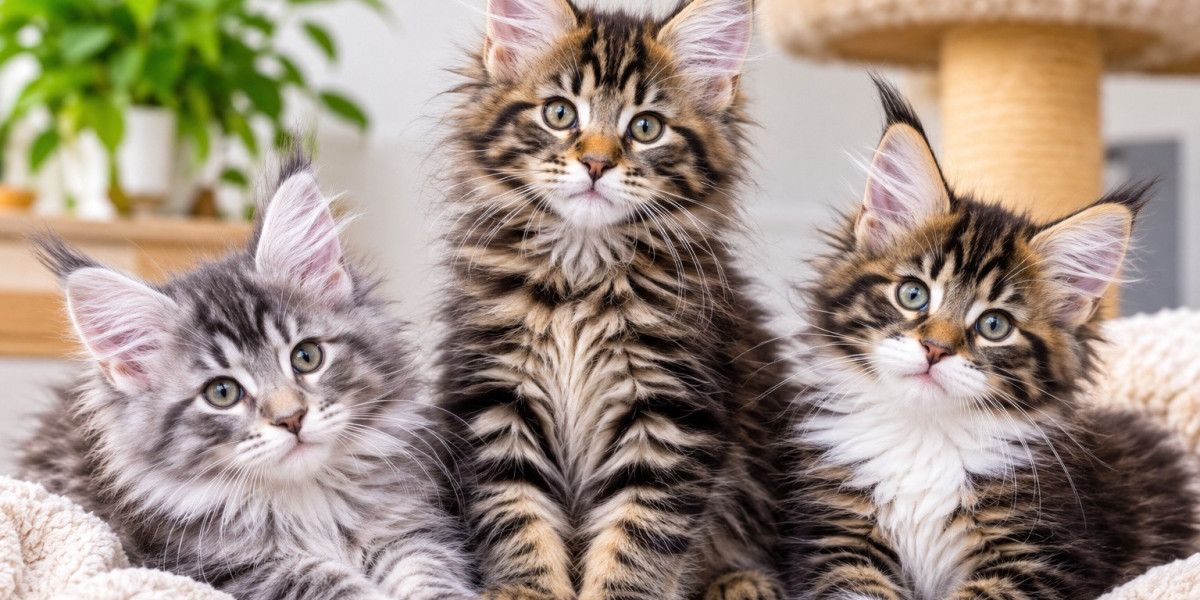

Thoughtful socializing Maine Coon kittens helps them learn that everyday people, sounds, and experiences can be safe. Socialization is not about making a kitten accept everything immediately. It is about offering gentle, positive experiences at a pace the kitten can manage. Each kitten has a different temperament, and confidence develops through patience, choice, and repetition. A calm environment and predictable routine can help a kitten feel secure while it learns about its new home. Owners and caregivers should avoid overwhelming the kitten or forcing contact.
Start With Gentle Handling
Introduce brief, gentle handling of the paws, ears, coat, and body while the kitten is relaxed. Pair these moments with praise or small treats. Stop if the kitten struggles, becomes tense, or tries to leave. Gradually build comfort with brushing, carrier use, and routine checks. Handling should never be used to restrain a kitten for longer than necessary. If a kitten is fearful, take smaller steps and allow it to approach voluntarily. Positive experiences can help prepare the cat for grooming and veterinary care later in life.
Introduce Household Sounds and Objects
Kittens may encounter vacuum cleaners, televisions, doorbells, kitchen sounds, and everyday movement. Introduce unfamiliar sounds at a low level and let the kitten observe from a safe distance. Pair the experience with play, food, or calm interaction if the kitten remains comfortable. Do not deliberately frighten the kitten or expose it to loud noises to make it “get used to them.” Provide hiding places and allow recovery time. Confidence grows when the kitten can retreat and choose to investigate again.
People, Visitors, and Children
Introduce new people one at a time when possible. Ask visitors to sit quietly, avoid reaching over the kitten, and let it approach. Children should learn to use gentle touch, keep voices calm, and respect the kitten’s resting spaces. Never allow a child to chase, corner, or carry a kitten without appropriate supervision. A kitten may be friendly yet need breaks. Teaching household members to recognize signs of stress—such as hiding, flattened ears, tail flicking, or attempts to escape—helps everyone respond appropriately.
Play and Learning
Interactive play gives kittens an outlet for energy and helps them build coordination. Use wand toys, soft balls, and safe puzzle feeders. Avoid encouraging biting hands or feet. Provide scratching surfaces and stable climbing opportunities so the kitten can explore appropriate behaviors. Short sessions throughout the day may work better than long periods of stimulation. Rotate toys and reward calm curiosity. Play should be enjoyable and safe, with supervision for toys that have strings, small pieces, or parts that could be swallowed.
Continue at the Kitten’s Pace
Socialization continues after the kitten arrives home. Keep routines steady and gradually introduce new rooms, surfaces, carriers, and experiences. Do not expect every kitten to become outgoing; a confident, comfortable cat may simply prefer a quieter personality. If fear or aggression persists, consult a veterinarian or qualified behavior professional to rule out health issues and develop a suitable plan. By respecting the kitten’s signals and building positive associations, you can help it become more comfortable with daily life without compromising its sense of safety.
Introduce Experiences in Small Steps
A kitten may first hear a sound from another room, observe it at a distance, and approach later if comfortable. Keep sessions brief and positive. Avoid combining several unfamiliar experiences at once. Allow recovery time and adjust based on the kitten’s signals. Small steps help you understand what feels manageable.
Offer Choices and Retreats
Confidence grows when a kitten can control its distance. Provide hiding places, elevated perches, and clear pathways away from activity. Do not block a retreat or reach repeatedly into hiding. If the kitten chooses to observe, that is useful learning. It may approach more readily when it knows it can leave.
Seek Help When Needed
Persistent fear, extreme avoidance, or aggression warrants veterinary advice to rule out pain or illness. A qualified behavior professional can help identify triggers and suggest a gradual plan. Avoid punishment or forced exposure. Progress may be slow, and setbacks can happen after stressful events. Focus on comfort, safety, and trust.
Practical Tips for a Better Experience
Celebrate small signs of confidence, such as approaching a new toy, resting in the open, or calmly watching a visitor. Do not compare your kitten with another cat or expect a fixed timeline. Keep experiences positive and allow breaks. If the kitten seems overwhelmed, return to an easier step and try again later. Patience is an important part of socialization.
Additional Considerations
Socialization should not mean taking a kitten into unsafe public places or exposing it to unknown animals before its health protection is appropriate. Ask your veterinarian about safe experiences based on vaccination status and local risks. You can still introduce household sounds, gentle handling, and safe objects at home. Keep the kitten’s health and comfort at the center of each experience.
Planning for the Long Term
Choose experiences that suit the kitten’s age and health status. The veterinarian can advise when it is appropriate to meet other animals or visit new environments. Keep early sessions brief and calm, and reward relaxed behavior. If the kitten becomes fearful, stop and return to a simpler experience. Social confidence is built through safe repetition, not pressure.
Frequently Asked Questions
When should kitten socialization begin?
Social experiences begin early and continue after the kitten enters its new home. Ask the caregiver about experiences already provided.
How can I socialize a shy kitten?
Use calm, short sessions, offer treats or play, provide hiding places, and let the kitten approach at its own pace.
Should I introduce my kitten to visitors?
Yes, gradually and calmly. Visitors should avoid crowding the kitten and allow it to retreat when it wants.
Can socialization make every kitten outgoing?
No. Socialization supports confidence, but temperament varies. The goal is comfort and adaptability, not forcing a particular personality.