
Introduction
Security, payment reliability, and regulatory compliance are essential requirements for businesses operating online gaming platforms. These platforms manage customer accounts, personal information, financial transactions, and connected third-party services. Without suitable safeguards, technical weaknesses can create operational problems, financial risks, and damage to business reputation.
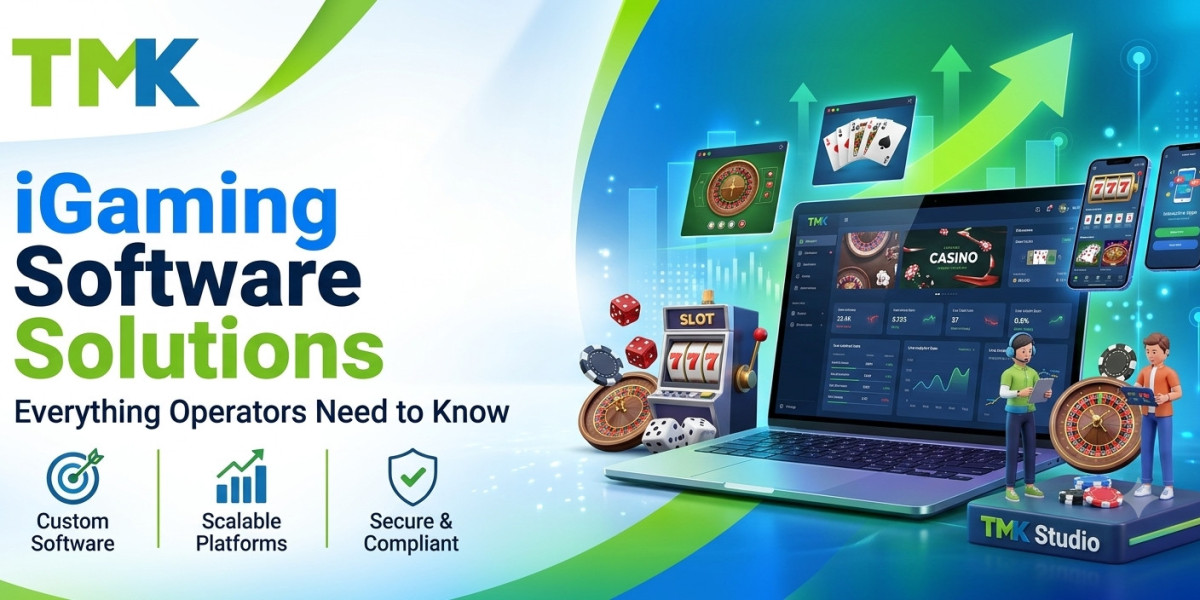
iGaming Software Solutions must therefore provide more than basic gaming functionality. They should include reliable security controls, appropriate payment integrations, identity verification capabilities, and tools that support regulatory responsibilities. In 2027, operators should evaluate these features before selecting a technology provider, especially when planning to serve customers across different regulated markets.
Strong User Authentication and Account Protection
Account protection is one of the first areas businesses should examine when selecting a platform.
Modern systems should support secure authentication methods, strong password requirements, session management, and multi-factor authentication where appropriate. These features help reduce the risk of unauthorized account access.
Multi-factor authentication adds another verification step beyond a password. Depending on the implementation, this may involve an authenticator application or another approved verification method.
Operators should also provide account security notifications and procedures for responding to suspicious login attempts.
iGaming Software Solutions should make account protection part of the platform architecture rather than treating it as an optional addition.
Data Encryption and Secure Information Storage
Online gaming businesses may collect personal information during account registration, identity verification, and payment processing.
This information needs appropriate protection during transmission and storage.
Encryption helps prevent unauthorized parties from reading protected information. Businesses should ask providers which encryption standards are used and how sensitive data is handled.
Access to personal information should also be restricted according to job responsibilities. Employees and third-party service providers should only receive the access necessary to perform their assigned tasks.
Companies must establish data retention policies and follow applicable privacy requirements.
Identity Verification and Age Verification
Identity verification is an important compliance requirement in many regulated gaming markets.
Platforms may need to verify customer identity, age, and other eligibility conditions before permitting certain activities.
Verification systems can connect with approved third-party providers to review submitted information and support the operator's compliance processes.
Businesses should understand what information is collected, how verification results are stored, and how unsuccessful checks are handled.
Age verification is particularly important because underage individuals must not be allowed to access restricted gaming services.
The exact verification process should reflect local legislation and the operator's licensing conditions.
Secure Payment Gateway Integrations
Payment processing is one of the most important operational components of a gaming platform.
Operators need reliable connections with payment providers that are authorized to support their activities in the relevant jurisdictions.
Important features include secure transaction processing, payment status updates, transaction records, refund handling, and appropriate reconciliation tools.
Businesses should evaluate supported currencies, processing fees, settlement times, transaction limits, and provider availability.
iGaming Software Solutions should also allow operators to monitor payment errors and identify transactions that require investigation.
A payment integration should be tested carefully before the platform becomes available to customers.
Fraud Detection and Transaction Monitoring
Fraud prevention helps protect businesses and customers against suspicious activity.
Automated monitoring tools can review permitted transaction information and identify unusual patterns. These systems may flag repeated payment failures, unexpected account activity, or transactions that require additional verification.
However, automated alerts should not automatically result in accusations or permanent account restrictions.
Businesses need documented investigation procedures and trained staff who can review unusual activity fairly.
Transaction monitoring should also follow applicable privacy and financial regulations.
Responsible Gaming and Player Protection Tools
Responsible gaming features are an important part of operating a compliant online gaming platform.
Depending on local requirements, operators may need to provide deposit limits, time restrictions, self-exclusion options, account closure facilities, and access to support resources.
These tools should be easy to locate and straightforward to use.
Platforms should also support appropriate monitoring procedures for identifying potentially harmful patterns of activity.
Technology providers should explain which responsible gaming features are included, how they work, and whether operators can configure them according to regulatory requirements.
Player protection should remain a core operational priority rather than simply a marketing feature.
Regulatory Reporting and Compliance Management
Gaming businesses may have reporting responsibilities under their operating licences.
These can include maintaining transaction records, monitoring account activity, documenting verification procedures, and providing information to relevant regulatory authorities.
Compliance dashboards can help authorized staff organize information and monitor outstanding requirements.
iGaming Software Solutions should support appropriate reporting, recordkeeping, and audit processes.
Operators should also confirm whether reports can be exported in the formats required by their regulators.
A software provider can support compliance processes, but it cannot replace the operator's responsibility to understand and follow applicable laws.
API Security and Third-Party Integrations
Online gaming platforms often connect with external services, making API security an important consideration.
These integrations may involve payment providers, game suppliers, verification services, analytics tools, and customer support systems.
Businesses should ask providers how API access is authenticated, how permissions are managed, and how sensitive information is protected.
API documentation should clearly explain integration requirements and supported security controls.
Third-party services should also be reviewed before they receive access to platform data.
Regular integration testing can help identify compatibility problems and potential vulnerabilities.
Cloud Security and Backup Infrastructure
Many modern platforms depend on cloud infrastructure for hosting, storage, and application management.
Cloud environments can offer flexibility, but they also require appropriate security configuration.
Businesses should evaluate network protection, access management, monitoring, backup arrangements, and disaster recovery procedures.
A reliable backup strategy should include regular backups and testing to confirm that information can be restored when required.
Operators should also understand service availability commitments and how providers handle unexpected downtime.
Security Audits and Vulnerability Testing
Security should be reviewed regularly rather than assessed only before launch.
Businesses should ask providers about vulnerability assessments, penetration testing, software updates, and incident response procedures.
Independent security reviews can help identify weaknesses that internal teams may overlook.
Operators should also maintain a process for reporting and resolving technical vulnerabilities.
iGaming Software Solutions should be supported by documented security practices and ongoing maintenance.
Security responsibilities should be clearly divided between the operator, software provider, hosting company, and other third parties.
Privacy Management and Data Protection
Privacy management is important when platforms collect information from customers across different countries.
Businesses should explain what information they collect, why it is needed, how long it is retained, and which parties may receive it.
They should also establish procedures for handling data access requests, corrections, and deletion where applicable.
Data protection requirements vary between jurisdictions. Companies should obtain appropriate legal guidance when handling information across borders.
Transparent privacy practices can help improve customer confidence and reduce unnecessary data management risks.
How to Evaluate a Provider's Security Capabilities
Before choosing a software provider, operators should request clear documentation about security, compliance, and payment functionality.
They should ask whether the provider supports independent security testing, what authentication methods are available, and how system incidents are reported.
It is also important to understand which compliance features are included in the standard package and which require additional integrations.
Businesses should review service agreements, data processing terms, technical support arrangements, and responsibility for security incidents.
The best platform is one that can demonstrate its capabilities rather than relying on broad marketing promises.
How The Marketing King Supports iGaming Businesses
The Marketing King provides SEO, PPC, content marketing, technical optimization, and digital marketing services for businesses operating in competitive online markets.
For gaming operators and technology providers, trust and credibility are important parts of business development. A well-planned digital marketing strategy can help communicate platform capabilities, improve organic search visibility, and reach relevant industry audiences.
The Marketing King supports businesses in presenting their services through professional content and structured online marketing activities.
Conclusion
Security, payment processing, and compliance should be central considerations when selecting technology for an online gaming business. Authentication, encryption, identity verification, transaction monitoring, responsible gaming features, and regulatory reporting all contribute to a more reliable operating environment.
iGaming Software Solutions should provide suitable technical controls and support the operator's legal and operational requirements. By carefully evaluating providers, reviewing security documentation, and obtaining professional compliance guidance, businesses can build a stronger platform foundation for 2027 and beyond.