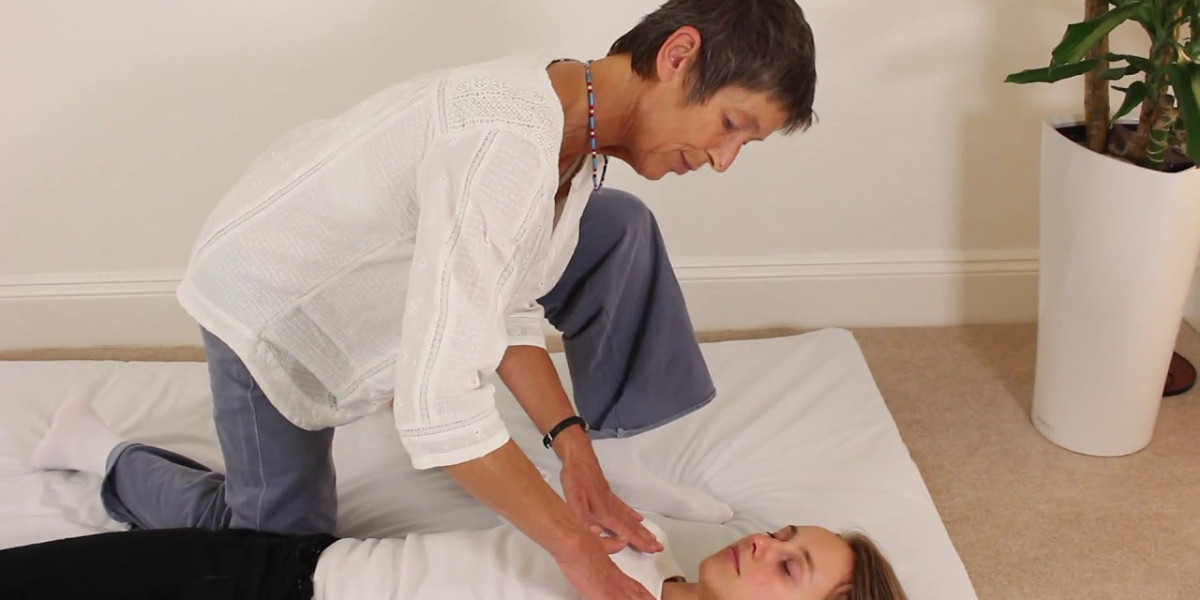

Tight shoulders. A stiff neck. A back that aches by evening. These complaints are common in everyday life. Many people assume they simply must live with them.
Massage offers one practical way to ease this tension. It is not a magic cure, but it can bring real relief. This article looks at why tension builds and how touch can help. It also offers tips for keeping tension away.
Where Everyday Tension Comes From
Tension begins with how we use our bodies. Sitting, driving, and typing keep muscles in one position. Those muscles tire and tighten. Blood flow in the area may drop.
Stress adds another layer. When the mind feels pressure, the body prepares to react. Shoulders rise and breathing becomes shallow. If stress continues, tension stays.
Poor sleep, dehydration, and skipped meals add to the problem. Even weather can play a role. Cold air makes many people hunch. Each factor adds a little more tightness.
The Tension Cycle
Tight muscles reduce movement. Reduced movement lowers circulation. Poor circulation creates discomfort. Discomfort leads to more guarding. Breaking this cycle takes both movement and relaxation.
What Massage Does to Soft Tissue
Massage applies pressure to muscles and connective tissue. This increases local blood flow. Warmth builds and tissue softens. Stiff fibres move more freely.
The nervous system responds as well. Touch signals can calm overactive muscles. Muscles often relax without conscious effort. People describe a melting feeling.
Massage may also change pain perception. The brain receives new sensory input. This can dampen discomfort for a time. That window allows easier movement and stretching.
The Neck, Shoulders, and Upper Back
This region collects most daily tension. The upper trapezius is a common problem area. It often feels like a tight band across the shoulders. Many people carry stress here.
Massage can address this region effectively. Therapists use kneading, gentle compression, and slow stretching. They may work from the scalp down to the shoulder blades. The goal is to release layers of tightness.
Relief often spreads. Headaches may ease. Breathing may feel fuller. Many people notice they stand taller afterward.
Jaw and Scalp
Stress often hides in the jaw. Clenching creates tension that travels to the head. Gentle work around the jaw and scalp can feel surprisingly relieving. Always tell your therapist if you have jaw pain.
The Lower Back and Hips
Lower back tension is a common reason for massage. Sitting shortens the hip flexors. Weak glutes then force the back muscles to work harder. Ache develops by the end of the day.
Massage addresses both the back and the hips. Therapists release tight muscle groups around the pelvis. This can ease strain on the lumbar spine. Walking and standing may feel easier.
Pair massage with movement for best results. Hip stretches and glute strengthening support the effect. Regular walking also helps. Small daily actions keep tension from returning.
Massage and the Stress Response
Stress and muscle tension are closely tied. Calm touch can reduce stress hormones. Heart rate may slow and breathing may deepen. People often feel mentally lighter.
Many clients describe the experience as a reset. Worries soften. Focus improves afterward. This benefit extends beyond the muscles.
A calm mind lowers tension throughout the day. You may notice relaxed shoulders in meetings. Sleep may come easier. These changes support overall wellbeing.
How Often Should You Book?
Frequency depends on need. For high tension, weekly sessions for a few weeks can help. For maintenance, monthly visits are common. Your schedule and budget also matter.
Listen to your body. If tension returns in a few days, shorter intervals may help. If relief lasts weeks, you can stretch the gap. Adjust gradually.
Share progress with your therapist. They can modify techniques and goals. Over time, you will find a rhythm that suits you. Consistency matters more than intensity.
Choosing Professional Support
Not all massage experiences are equal. Training affects safety and results. A skilled therapist can assess your tissue and adapt pressure. They understand anatomy and know when to avoid certain areas.
Many people looking for Lakeshore massage therapy value clear communication and a calm clinic setting. A therapist should ask about your health and goals. They should invite feedback during treatment. They should also respect your privacy.
Ask about session lengths and techniques. Thirty minutes may suit a focused area. Sixty minutes allows full-body work. Choose what fits your needs and comfort.
Speaking Up During a Session
Tell your therapist if pressure feels too strong. Say so if you feel any sharp pain. Mention if you need a break or a blanket. Good therapists want this feedback.
Self-Care Between Visits
Daily habits protect the benefits. Stand and stretch every thirty minutes. Roll your shoulders and move your neck gently. Walk outdoors when possible.
Use heat on tight muscles. A warm shower or heating pad soothes them. Apply for fifteen minutes. Avoid heat on swollen or newly injured areas.
Try self-massage tools. A tennis ball can ease the shoulders and feet. A foam roller works on larger muscles. Keep pressure moderate and stop if pain sharpens.
Breathing Practice
Slow breathing reduces tension quickly. Inhale through your nose for four counts. Exhale for six. Repeat several times. Practise during commutes or at your desk.
Limits and Precautions
Massage helps many people but not everyone in every situation. Some conditions call for caution. Blood clots, severe osteoporosis, and active infections are examples. Fever and acute inflammation also require delay.
Always report health changes to your therapist. Tell them about medications and recent surgeries. They will adjust or recommend clearance. This protects you.
Persistent pain needs medical review. Massage does not replace diagnosis. Numbness, weakness, and sudden severe pain are warning signs. Seek medical advice promptly.
Final Thoughts
Massage can indeed help ease everyday muscle tension. It boosts circulation, calms the nervous system, and softens tight tissue. Many people feel lighter after one session.
Lasting benefits come from steady habits. Move often, manage stress, and rest well. Book regular visits that fit your needs. Your muscles will thank you.