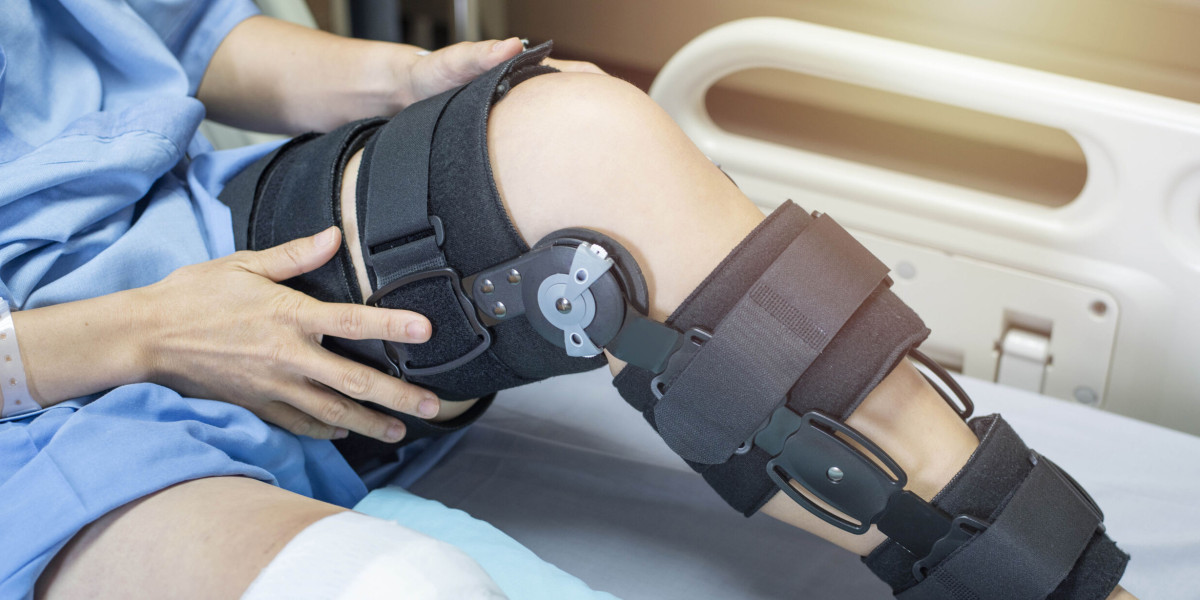

Surgery is a turning point after a hip fracture. It stabilizes the bone and relieves pain. It also allows safe movement again. Many families want to understand how it helps. This article explains the benefits and process.
Why Bone Needs Stabilization
The hip carries your full body weight. A fracture makes that weight unbearable. Broken bone ends may shift out of place. Without support, healing is unreliable.
Surgery holds the bone in a stable position. This allows healing to begin safely. It also lets patients move earlier. Stability is the foundation of recovery.
The Danger of Waiting
Delay raises risks. Bed rest weakens muscles quickly. Blood clots may form in the legs. Pneumonia becomes more likely. Early surgery lowers these threats.
Pain Relief Through Repair
Unrepaired fractures cause severe pain. Every movement hurts. Surgery steadies the bone and reduces pain. Patients can sit and stand more comfortably.
Better comfort supports better therapy. Patients participate more fully. Sleep improves as pain eases. Mood often lifts too.
Types of Operations
Surgeons choose based on fracture type. Screws or pins hold simple breaks. Plates and nails support other patterns. Partial or total replacement may be needed.
Replacement is common when blood supply is damaged. It removes the broken ball. A prosthesis then restores the joint. Patients can bear weight sooner.
Matching Surgery to the Patient
Age, bone quality, and activity guide choices. Healthy, active patients may need different care. Frail patients may need simpler repair. The team explains the reasons clearly.
Anesthesia and Safety
Anesthesia teams plan carefully. Spinal anesthesia is often used. It may lower some risks compared with general anesthesia. Choices depend on health.
Doctors review heart and lung status. They adjust medications beforehand. Safety checks reduce complications. Families can share medical history.
Getting Moving Early
Early movement is a major benefit. Most patients stand the next day. Therapists guide each step. Walkers provide support.
Movement improves circulation. It protects lung function. Muscles stay stronger. Confidence returns sooner.
Weight Bearing
Many repairs allow weight bearing right away. Some need protected weight bearing. Your surgeon gives clear rules. Follow them closely to protect healing.
How Surgery Supports Rehabilitation
A stable hip allows real therapy. Exercises can begin soon after surgery. Strength training builds around the repair. Balance work reduces future falls.
Without surgery, therapy is limited. Pain blocks progress. Fear of movement grows. Surgery opens the door to rehabilitation.
Reducing Long-Term Disability
Many patients avoid permanent immobility after surgery. They regain walking ability. Some return to near previous function. Outcomes depend on health and effort.
Without repair, many patients remain bedbound. Complications can become life threatening. Surgery lowers these risks significantly. It protects both life and independence.
Related Injuries and Planning
Some patients have other injuries from the same fall. A damaged arm or shoulder can slow rehabilitation. In rare cases, doctors discuss shoulder replacement surgery when an older arm problem prevents safe walker use. These decisions are made after the hip is stable. The team keeps priorities clear.
Mention every injury to your surgeon. Staged care often works best. Hip recovery usually comes first. A calm plan protects your progress.
Preventing Surgical Complications
Teams take many steps to protect patients. Antibiotics reduce infection risk. Blood thinners lower clot risk. Careful positioning protects skin.
Patients can help too. Follow breathing exercises. Move as directed. Report new symptoms quickly.
Wound Care
Keep the incision clean and dry. Follow dressing instructions. Watch for redness or drainage. Call if fever appears.
Nutrition After Surgery
Healing needs strong nutrition. Protein supports tissue repair. Calcium and vitamin D build bone. Iron helps blood recovery.
Small frequent meals work well. Drink water throughout the day. Supplements may be advised. Good eating speeds progress.
Emotional Benefits of Surgery
Fixing the fracture reduces fear. Patients regain a sense of control. Movement restores hope. Mood often improves.
Still, emotions can swing. Anxiety about falling is common. Support from family helps. Counseling can assist when needed.
Rehabilitation After Surgery
Therapy builds strength and balance. Gait training improves walking. Occupational therapy teaches daily skills. Exercises advance as healing allows.
Practice at home between sessions. Short daily routines work best. Ask questions when unsure. Consistency brings results.
Setting Goals
Set clear short-term goals. Examples include walking to the mailbox. Add longer goals over time. Track progress in a notebook.
Returning Home Safely
Home safety planning begins early. Remove rugs and clutter. Install grab bars and handrails. Improve lighting everywhere.
Arrange help for meals and chores. Keep emergency numbers handy. Use a medical alert device if living alone. Preparation prevents new falls.
Preventing Future Fractures
Bone health needs ongoing attention. Doctors may test bone density. Medicines can slow bone loss. Calcium and vitamin D stay important.
Exercise strengthens bone and balance. Review medicines that cause dizziness. Keep vision checks current. Prevention protects long-term mobility.
Final Thoughts
Surgery supports recovery by stabilizing bone and reducing pain. It allows early movement and effective rehabilitation. It also lowers the risk of serious complications. Combined with good therapy and home safety, it offers the best path forward. Most patients regain meaningful independence.









