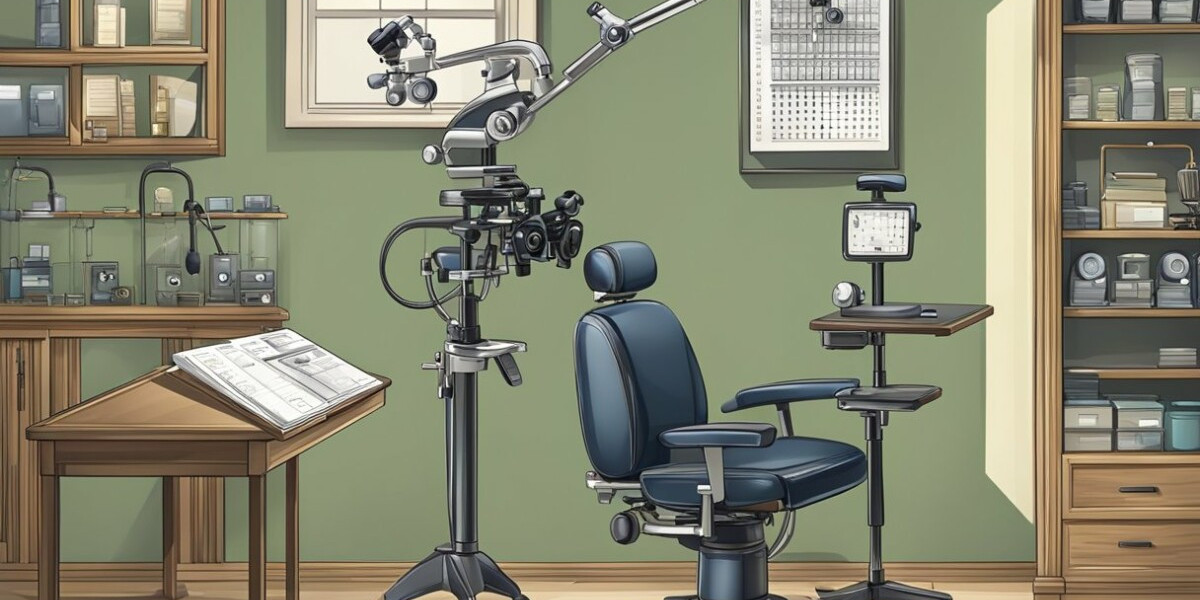

Eye exams are easy to postpone. Life is busy, and eyes often feel fine. Yet the benefits of regular exams are large. They protect your sight, comfort, and health. They also help you plan with confidence. This article explains why routine exams matter for families at every stage. It highlights what they find, who benefits, and how to make them a habit.
Exams Do More Than Update Glasses
Many people think exams are only about prescriptions. That is only part of the story. A full exam measures how well you see. It also checks how healthy each eye structure is. The optometrist looks at the cornea, lens, retina, and optic nerve. They test eye pressure and eye movement. They review your general health history too. All of this adds up to a complete assessment. Glasses are just one possible outcome. Early detection and prevention are often the bigger gains. A full exam is a health check for your eyes.
Hidden Disease Needs Early Detection
Several serious eye diseases stay hidden for years. Glaucoma harms the optic nerve slowly. Diabetic retinopathy begins with tiny vessel changes. Macular degeneration may start with faint distortion. Cataracts can cloud vision very gradually. None of these may hurt. Your sight may still seem fine. A regular exam can reveal early signs. Imaging and pressure tests detect what you cannot feel. Treatment works best when started early. It can slow or stop further damage. Waiting for symptoms risks permanent loss. Regular checks tip the odds in your favour.
Prescriptions Change More Often Than You Think
Your eyes are not fixed. They change with age, health, and habits. Even small changes can affect comfort. You may feel more tired by evening. Reading may take more effort. Headaches may appear after screen time. Night driving may feel harder. A fresh prescription often solves these problems. Regular exams keep lenses accurate. They also show when new lens designs would help. Progressive lenses, computer glasses, and photochromic lenses are all options. Updated eyewear brings immediate improvement. It often feels like a small upgrade to daily life.
Children Depend on Clear Vision
Children learn through their eyes. Reading, writing, and play all need good sight. Poor vision can hold them back quietly. A child may avoid books or struggle to focus. Some are labelled inattentive when they simply cannot see well. Regular exams catch these issues early. Nearsightedness, farsightedness, and astigmatism are common. So are lazy eye and eye teaming problems. Glasses and therapy can change outcomes quickly. Many experts suggest exams at six months, age three, and before school. Yearly checks follow in the school years. Parents should also watch for squinting and head tilting.
Adults Face Hidden Strain
Working adults often ignore their eyes. They push through headaches and fatigue. Many blame stress or lack of sleep. Yet vision problems may play a part. Long screen hours strain focusing muscles. Dry air adds to the problem. Small prescription errors make it worse. A regular exam can uncover the cause. The optometrist may suggest computer lenses or habit changes. Simple adjustments can restore comfort. Better vision supports focus and productivity. It also improves mood and energy by the end of the day.
Seniors Need Protection and Independence
Age raises the risk of many eye diseases. Cataracts, glaucoma, and macular degeneration are common. Dry eye also affects many older adults. Medications may influence vision as well. Regular exams keep these issues in check. Treatment can protect function and independence. Updated glasses help with reading and safety. Good lighting advice reduces falls. Many seniors also gain reassurance from clear explanations. Vision supports social life, hobbies, and confidence. Yearly exams are a wise investment after sixty-five. They help older adults stay active and engaged.
Eyes Can Reveal Other Health Problems
The retina lets doctors see blood vessels directly. Changes can hint at high blood pressure. They can also suggest diabetes or high cholesterol. Swelling of the optic nerve may signal other issues. Some autoimmune diseases show early eye signs. Your optometrist can refer you for further testing. This can lead to earlier diagnosis. Many people first learn about a medical condition at an eye exam. It is a bonus benefit that is easy to overlook. Regular exams may protect more than your sight.
A Local Partner Makes It Easier
Consistent care is simpler with a clinic you trust. Records build over time. Subtle changes become clearer. Staff remember your needs and preferences. Families often prefer a trusted eye doctor Stoney Creek clinic for this reason. Children feel calmer with familiar faces. Adults feel freer to ask questions. Ask about reminders and online booking. Ask how to reach the team for urgent concerns. Good access keeps you on schedule. Trust turns a chore into a habit. That habit can last decades.
Safe Contact Lens Wear Needs Oversight
Contact lenses are popular and convenient. They also carry risks if misused. Poor hygiene may cause infections or ulcers. Overwearing can reduce oxygen to the cornea. Sleeping in the wrong lenses raises risk further. Regular exams confirm that lenses fit well. They also confirm that your eyes remain healthy. The optometrist can teach safe handling. They can suggest different lenses for dryness or astigmatism. Always keep backup glasses. Never rinse lenses with tap water. Replace them as scheduled. Safe wear keeps your eyes comfortable.
Digital Life Calls for Extra Care
Screens now fill much of our day. Work, school, and leisure all rely on them. Eyes blink less during screen use. The tear film breaks down. Dryness and blur follow. Children may develop focusing problems. A regular exam helps separate strain from other causes. The optometrist may suggest lenses or exercises. They can also advise on lighting and posture. The twenty-twenty-twenty rule helps many people. Look away every twenty minutes for twenty seconds. Small steps bring real relief. Professional guidance makes them more effective.
Costs and Coverage
Cost keeps some people from booking. Coverage varies by age and plan. Children and seniors may qualify for provincial support. Some medical conditions do too. Many employers offer vision benefits. Check your plan each year. Ask the clinic about payment options. Compare the cost of an exam with the cost of advanced disease. Surgery, lost work, and reduced independence are far more costly. Prevention is a smarter investment. It brings peace of mind. It also protects future choices.
Common Reasons People Skip Exams
Busy schedules top the list. Others fear bad news. Some believe their sight is fine. Others think exams are only for glasses wearers. These beliefs are understandable but risky. Book a time that suits your routine. Choose early morning or evening if possible. Bring a friend for support. Remember that exams are quick and painless. Early answers reduce worry. They also reduce long-term risk. One visit can restore confidence. It can also start a habit that protects you for life.
Making Exams Part of Your Routine
Habits form when they are simple. Choose a month for your yearly visit. Add it to your phone calendar. Book the next appointment before leaving the clinic. Schedule family members together. Keep a folder with prescriptions and reports. Update it after each visit. Notice patterns in your results. Share new symptoms promptly. Encourage friends and relatives to book their own exams. Community habits raise overall eye health. Every visit strengthens your record. Over time, that record becomes a powerful tool.
Final Thoughts
Regular eye exams protect more than your vision. They detect silent disease and keep prescriptions sharp. They support children, adults, and seniors in different ways. They may even reveal health problems elsewhere in the body. Stoney Creek residents can gain all these benefits through steady care. Choose a schedule, keep your appointments, and share changes early. Your eyes will thank you for years to come.









