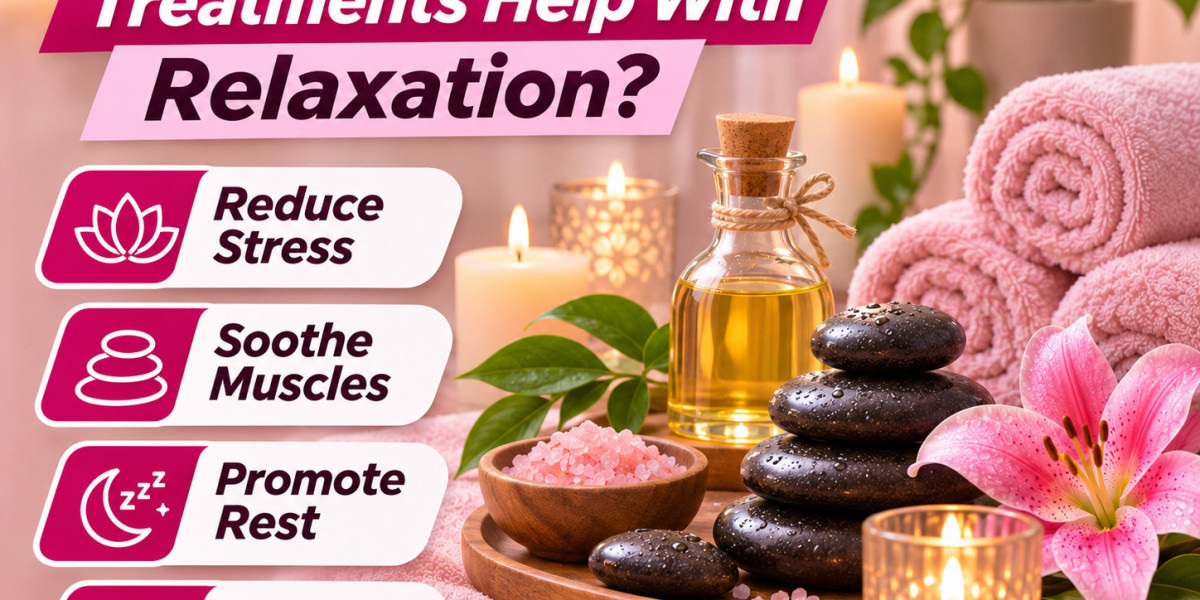

Spa treatments offer different ways to take a break from daily responsibilities and attend to physical comfort. People searching for spa Stuart, FL may be comparing massage, facials, body treatments, and other services without knowing what each appointment involves. Relaxation is personal: gentle touch may calm one guest, while another prefers quiet skin care or a warm treatment room. Understanding the practical differences helps visitors select services that match their preferences without expecting guaranteed medical results.
Why Spa Treatments Can Feel Restful
A spa appointment sets aside time for focused care away from everyday interruptions. Comfortable surroundings, predictable procedures, and a provider who listens can make the experience feel more settled. Some treatments involve hands-on contact with muscles, while others concentrate on skin cleansing or hydration. Their shared purpose is often comfort, although individual responses differ.
Relaxation does not require intense pressure, expensive additions, or several treatments in one visit. An appropriate service should respect personal boundaries, health considerations, and the amount of time someone has available. Guests can ask what a session includes and decline unfamiliar techniques.
Popular Spa Treatments That Support Relaxation and Stress Relief
Different services offer distinct sensations and opportunities to rest. Common choices include:
Swedish massage: Flowing strokes and gentle kneading may ease the feeling of everyday muscle tension while encouraging a calm atmosphere.
Deep tissue massage: Slow, focused movements address selected tight areas; pressure should remain manageable rather than painful.
Heated stone massage: Carefully warmed stones add soothing heat to selected movements, provided temperature and skin sensitivity are monitored.
Facial treatments: Gentle cleansing, moisturizing, and skin care steps offer quiet time and attention to personal comfort.
Body treatments: Scrubs or moisturizing applications can leave skin feeling smoother, although products should suit individual sensitivities.
Couples massage: Two people receive separate treatments in the same room, sharing a peaceful setting while choosing individual pressure levels.
How Different Spa Therapies Contribute to Physical and Mental Relaxation
Gentle Massage and Comfortable Touch
Swedish techniques typically involve long strokes, light kneading, and repeated movements across major muscle groups. A consistent rhythm can feel reassuring, especially for guests who prefer a less intense treatment. Therapists may adapt pressure around the neck, shoulders, or legs while checking that the client remains comfortable. The aim is not to force muscles to relax through pain.
Focused Bodywork for Areas of Tension
More concentrated massage can feel helpful for someone who notices stiffness after sitting or physical activity. A therapist may spend extra time on a specific muscle group, using controlled movements and regular feedback. Stronger pressure is not automatically more useful. Sharp discomfort, numbness, or a need to tense against the therapist signals that the technique should change or stop.
Skin Care as a Quiet Routine
Facials offer a different form of relaxation through a sequence of cleansing, appropriate product application, and gentle care. Guests may appreciate the chance to rest without actively participating. Product choices should reflect skin concerns and sensitivities, not assumptions about what every visitor needs. Irritation or burning should be reported immediately, and guests can request fragrance-free options where available.
Warmth and a Soothing Environment
Warm towels or heated stones may create pleasant sensations during certain services. Heat requires careful control, particularly for people with reduced temperature sensation or circulation concerns. Lighting, music, and room temperature also affect comfort. Someone who dislikes fragrance or background sound can ask about adjustments, since a relaxing setting looks different for everyone.
Choosing a Treatment Based on Personal Needs
Consider whether your main goal is general rest, attention to familiar muscle tightness, or a skin care appointment. Read service descriptions and ask about duration, included steps, and prices. A shorter session may suit someone trying a spa for the first time, while a longer booking may provide more time for individual preferences.
Relevant health information matters as well. Recent surgery, open skin areas, unexplained swelling, or certain medications can affect what treatments are appropriate. A qualified healthcare professional should evaluate concerning symptoms instead of relying on spa services to identify their cause.
Clear communication is valuable throughout the visit. Guests may ask for lighter pressure, an alternative product, different positioning, or an early stop without feeling obligated to justify their choice. A brief conversation at check-in can also clarify whether a provider offers modifications for mobility needs, allergies, or unfamiliar sensations.
Conclusion
Spa treatments provide several paths toward relaxation, from gentle massage and focused bodywork to facials and carefully managed warmth. Their value lies in matching techniques to comfort, personal goals, and reasonable expectations. Choosing a suitable service, sharing relevant concerns, and speaking openly with providers can help make an appointment restful without treating it as a medical cure.