
Groundwater provides an important source of water for agricultural activities, residential communities, and industrial operations. Accessing underground water requires equipment that can operate reliably in submerged environments while supporting consistent water transportation. As different industries place greater emphasis on dependable water management, a Submersible Deep Well Pump has become an important solution for applications where groundwater needs to be transferred from deeper underground sources. Its construction, material selection, and operating design all influence how effectively it serves different water supply requirements.
One of the first aspects worth considering when evaluating pumping equipment is the quality of its construction materials. Unlike surface-mounted machinery, submerged pumps operate in an environment where water exposure is continuous. Their internal and external components must therefore be selected with durability, corrosion resistance, and mechanical stability in mind.
Stainless steel is frequently used in pump manufacturing because of its resistance to corrosion and its suitability for demanding water environments. It can be applied to pump housings, shafts, and other structural components that require reliable material properties. Cast iron is another material commonly considered for pump construction, particularly where structural strength and mechanical protection are important.
Engineering plastics also have a place in modern pump manufacturing. Depending on their composition and intended application, they can provide lightweight construction and resistance to certain chemical conditions. Impellers and internal guiding components may incorporate carefully selected materials to support smooth water movement and reduce unnecessary wear.
Material compatibility should always be considered alongside the characteristics of the water source. Groundwater may contain sand, minerals, or other substances that influence component wear. Buyers should understand the water conditions before selecting a pump, ensuring that its construction is appropriate for the intended environment.
Choosing suitable pumping equipment requires a clear understanding of the actual water supply requirements. Different applications have different priorities. Agricultural users may need reliable water delivery for irrigation systems, while residential projects may focus on maintaining a dependable household water supply. Industrial facilities may have additional requirements related to operating conditions and water distribution arrangements.
The characteristics of the well are particularly important during the purchasing process. Buyers should understand the well structure, water level conditions, and the available installation space. These factors influence whether a particular pump design is appropriate for the application. Consulting experienced suppliers can help prevent purchasing decisions based on incomplete information.
Water quality is another consideration that should not be overlooked. Groundwater containing abrasive particles or other impurities may require additional attention when selecting internal pump components. Choosing equipment designed for the actual water conditions can help reduce unnecessary maintenance and support more stable operation.
Buyers should also consider installation requirements and after-sales support. A reliable supplier should be able to provide product guidance, installation recommendations, and information about replacement components. The availability of technical assistance can be particularly valuable for projects where equipment downtime may interrupt irrigation or other essential activities.
The operating principle of submerged pumping equipment is based on converting mechanical energy into water movement. Once installed beneath the water surface, the pump uses its motor and rotating components to move water through the internal flow passages and deliver it toward the outlet system.
The impeller is an important part of this process. Its rotation creates the movement needed to transport water through the pump. The design of the impeller and the arrangement of the surrounding components influence the flow characteristics and overall operating behavior of the equipment.
Multiple structural elements work together to support this process. The motor provides the mechanical power, while the pump body protects internal components and guides water movement. Sealing arrangements help protect electrical and mechanical sections from unwanted water entry. These elements need to be properly integrated to support dependable operation in submerged conditions.
Modern pump development also pays attention to motor protection and operational stability. Appropriate protective structures can help reduce the impact of certain operating abnormalities. Manufacturers continue to improve component arrangements, sealing methods, and internal flow designs to address the practical needs of different water supply applications.
For users, equipment reliability is closely connected with the convenience of installation and maintenance. A well-designed pump should be compatible with the intended well environment and should not create unnecessary difficulties during installation. Clear product documentation and appropriate technical guidance can make the installation process more manageable for contractors and end users.
Maintenance is another important part of the ownership experience. Although submerged pumps are not always easy to access, regular attention to the surrounding water conditions and connected electrical systems can help operators identify potential problems. Monitoring unusual changes in water delivery, operating sounds, or electrical behavior can provide useful indications that inspection may be necessary.
Farmers and industrial operators also benefit from understanding how pumping equipment interacts with the rest of their water management systems. Pipes, valves, storage facilities, and distribution networks all influence the practical performance of a pumping installation. Selecting compatible components can help create a more organized water supply arrangement.
Product design has an equally important influence on installation convenience and long-term use. Deep well pumps are generally developed with an elongated structure that allows them to fit into narrow underground spaces. Their external construction needs to balance compactness with sufficient mechanical protection.
The arrangement of the motor, pump body, impeller assembly, and outlet connection should support efficient integration. Smooth external surfaces and carefully finished connections can also make handling and installation easier. Protective design details are especially relevant because equipment operating underground may be exposed to conditions that are difficult to observe directly.
Manufacturers must also consider the practical needs of different customers. Agricultural users may prioritize dependable irrigation support, while residential and commercial buyers may focus on convenient installation and stable water delivery. A product range that accommodates different applications gives distributors and project planners more flexibility when evaluating available solutions.
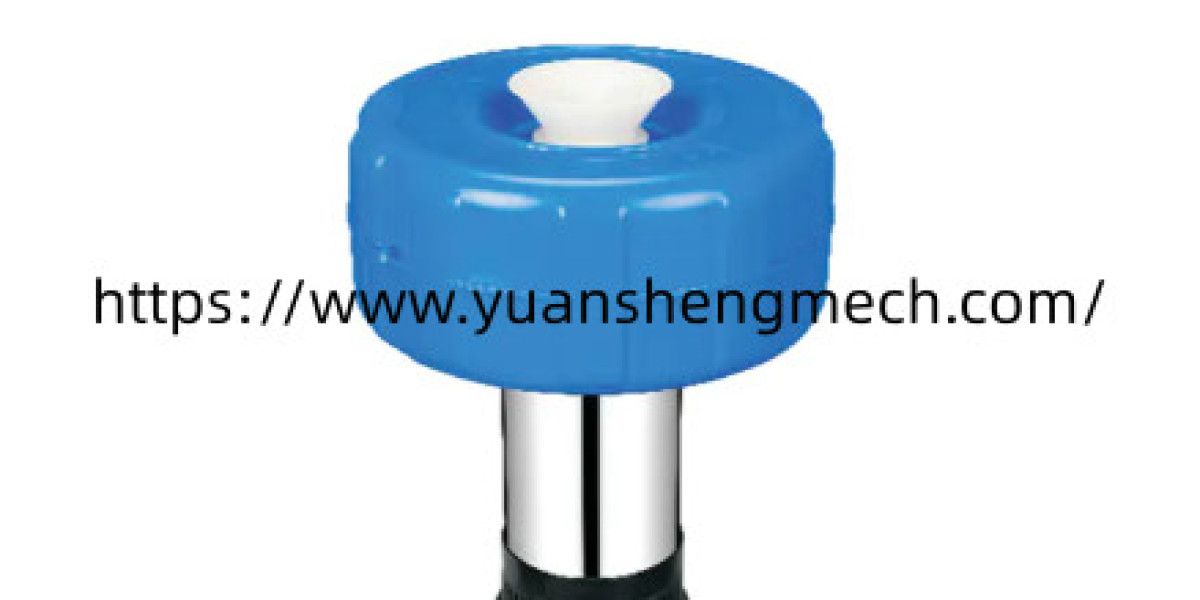
Taizhou Yuansheng Aquacul Ture Machinery Co., Ltd. has experience in aquaculture machinery and water-related equipment, including products designed for pond management and water circulation. Its manufacturing background provides a relevant perspective on the importance of equipment construction, material selection, and practical application requirements. Buyers and industry professionals interested in learning more about the company's products and manufacturing activities can visit its official website at https://www.yuanshengmech.com/ to explore further information.